
Protecting the Vulnerable When Care Turns to Harm
Elder & Nursing Home Abuse Attorneys in Washington
We represent individuals and families in Seattle and across Washington whose loved ones have been harmed in nursing homes, assisted living facilities, memory care units, and other care settings. These cases demand urgency, careful investigation, and attorneys prepared to hold facilities and corporate owners fully accountable.

Understanding Elder Abuse in Washington State: Law, Protection, and Accountability
Elder abuse is a serious and growing public health issue in Washington State. Each year, thousands of older adults experience harm through neglect, abuse, or financial exploitation, often in settings where they should be safest, including nursing homes, assisted living facilities, adult family homes, and private residences.
Washington law provides specific protections for vulnerable adults and establishes clear responsibilities for caregivers, facilities, and institutions. It also outlines how abuse is investigated, who can be held accountable, and when families may pursue legal action to protect their loved ones and prevent further harm.
This page explains how elder abuse is defined under Washington law, how cases are investigated, and what legal options may exist when abuse or neglect occurs. It is intended to help families understand the system, recognize warning signs, and take informed next steps when concerns arise.
Where Elder & Nursing Home Abuse Occurs
Abuse and neglect can occur in many types of care environments, not just traditional nursing homes. Our firm handles cases involving:
Skilled nursing facilities
Assisted living communities
Memory care and dementia units
Long term rehabilitation centers
Adult family homes
Residential care facilities
Warning Signs of Elder Abuse & Neglect
Abuse and neglect are often hidden. Families are frequently the first to notice when something is wrong.
Common warning signs include:

Frequent or unexplained falls or fractures

Untreated pressure sores (bedsores)
Bruises or injuries with vague or changing explanations

Overmedication or sedation without cause

Signs of malnutrition or dehydration

Sudden behavioral changes (fear, withdrawal, agitation)

Unexplained bank withdrawals or missing belongings

Delayed medical care or unreported conditions
If something feels wrong, trust your instincts. These signs often point to systemic failures that require immediate investigation.
Who may be legally responsible
Elder abuse cases rarely involve just one negligent person. Our investigations often uncover responsibility across multiple parties, including:
Facility owner & operating company
Management company or franchisor
Medical director, attending clinicians, pharmacy
Staffing agency & off-shift coverage providers
Transportation vendors & outside contractors
Identifying every responsible entity is essential. It expands available insurance coverage and prevents facilities from shifting blame to frontline workers alone.
Types of Nursing Home Abuse Cases We Handle
- Physical abuse or neglect by caregivers or facility staff
- Medical negligence including failure to treat or diagnose
- Falls and fractures caused by poor supervision or unsafe conditions
- Overuse of medication as a form of restraint
- Financial exploitation or theft by staff
- Understaffing or failure to follow care plans
- Wrongful death due to systemic failures
What to do if you suspect senior neglect or abuse
Get medical care and ensure immediate safety.
Photograph injuries, bed conditions, call lights, room numbers, and staffing boards.
Save medications, wristbands, discharge papers, and facility communications.
Write a timeline of symptoms, falls, or behavior changes.
Report concerns to Adult Protective Services and the Long-Term Care Ombudsman.
Reporting Abuse vs. Filing a Lawsuit
Reporting suspected abuse helps protect residents, but it does not replace a civil claim. Administrative agencies can investigate and impose penalties, but they do not recover compensation for families.
We assist families with:
Reporting to Adult Protective Services and the Long Term Care Ombudsman
Preserving medical charts, staffing schedules, and incident reports
Reviewing admission contracts and arbitration clauses
Pursuing civil claims for negligence, abuse, or wrongful death
Taking legal action can uncover systemic problems and force meaningful change.
Compensation Available Under Washington Law
Depending on the circumstances, compensation in elder abuse and nursing home neglect cases may include:
Medical bills & future care needs
Relocation & safety expenses
Loss of consortium & related family harms
Pain, suffering, & loss of enjoyment of life
In fatal cases, wrongful death & survival action damages
Attorney fees or enhanced remedies where statutes allow
In fatal cases, Washington law allows certain family members to seek recovery for loss of companionship, financial support, and care.
Time Limits for Elder Abuse Claims in Washington
Most elder abuse and nursing home neglect claims in Washington must be filed within three years. However, some cases involve shorter deadlines or special notice requirements.
Waiting too long can permanently bar a claim, even when abuse is clear. Early investigation also helps preserve records facilities may otherwise lose or destroy.
Reporting in Washington and protecting your claim
Administrative reports help protect residents and preserve evidence. They do not replace a civil case. We guide families through:
- Emergency reporting to law enforcement when needed
- Filing with Adult Protective Services and the Long-Term Care Ombudsman
- Securing and preserving charts, Minimum Data Set, incident reports, and staffing schedules
- Challenging arbitration or admission paperwork when appropriate
Washington Elder Abuse Law (RCW 74.34 Explained)
Elder abuse in Washington is governed primarily by RCW 74.34, known as the Abuse of Vulnerable Adults Act. This statute applies to adults who are considered “vulnerable” due to age, disability, or reliance on caregivers for basic needs.
Under RCW 74.34, a vulnerable adult includes:
Adults aged 60 or older who cannot adequately care for themselves
Adults with physical, mental, or developmental disabilities
Individuals living in nursing homes, assisted living facilities, adult family homes, or similar care settings
Adults receiving in-home care or assistance
The law prohibits abuse, neglect, financial exploitation, and abandonment, whether committed by a caregiver, facility, staff member, family member, or other trusted individual.
RCW 74.34 also establishes mandatory reporting obligations, investigative authority, and civil remedies. Importantly, a violation of this statute can lead to both regulatory consequences and civil liability, depending on the facts.
Difference Between Elder Abuse, Neglect, and Exploitation in Washington
Washington law draws clear distinctions between different forms of harm. Understanding these differences matters for reporting, investigations, and potential legal claims.
Elder Abuse
Abuse involves intentional acts that cause physical pain, injury, emotional distress, or fear. This can include physical assault, verbal intimidation, humiliation, or inappropriate use of restraints.
Neglect
Neglect is the failure to provide goods or services necessary to maintain a vulnerable adult’s health or safety. In care settings, this often includes inadequate supervision, poor hygiene, missed medications, untreated infections, dehydration, malnutrition, or failure to prevent pressure injuries and falls.
Financial Exploitation
Financial exploitation occurs when someone improperly uses a vulnerable adult’s money, property, or assets. Common examples include unauthorized withdrawals, coercion, forged signatures, missing belongings, or misuse of powers of attorney.
A single case may involve more than one category. For example, chronic understaffing may lead to medical neglect, while also creating conditions where abuse or exploitation can occur unchecked.
Who Investigates Elder Abuse in Washington State
Washington has a multi-layered system for investigating elder abuse, depending on the setting and severity of the situation.
Adult Protective Services (APS)
APS investigates allegations involving vulnerable adults, including those living in private homes or care facilities. APS focuses on safety, intervention, and protection.
Law Enforcement
When abuse involves assault, sexual abuse, theft, or immediate danger, local law enforcement may pursue criminal investigations.
Long Term Care Ombudsman Program
The Ombudsman advocates for residents, helps resolve complaints, and ensures residents’ rights are respected. While the Ombudsman does not file lawsuits, their involvement can be critical in documenting concerns.
Washington State Department of Social and Health Services – Residential Care Services (RCS)
RCS investigates licensed long term care facilities, including nursing homes, assisted living facilities, and adult family homes. Investigations may involve unannounced inspections, interviews, and review of records.
Administrative investigations are designed to protect residents and create official records. They do not replace civil legal claims and often run parallel to them.
Civil vs Criminal Elder Abuse Cases
Elder abuse cases in Washington may involve criminal proceedings, civil lawsuits, or both.
Criminal Elder Abuse Cases
Criminal cases are brought by prosecutors and focus on punishment, including fines, probation, or incarceration. The burden of proof is high, and families do not control whether charges are filed.
Civil Elder Abuse Cases
Civil cases are brought by the injured person or their representative. These cases focus on accountability and compensation for harm caused by abuse or neglect. Civil claims may seek damages for medical expenses, relocation costs, pain and suffering, loss of dignity, and, in fatal cases, wrongful death damages.
A case does not need to result in criminal charges for civil liability to exist. Many elder abuse lawsuits succeed based on documented neglect, regulatory violations, and expert medical analysis.
When Elder Abuse Becomes a Lawsuit
Not every concern leads to litigation, but elder abuse may become a lawsuit when harm results from a failure to meet legal duties of care.
Common triggers for civil action include:
Serious injury caused by neglect or unsafe conditions
Systemic understaffing or failure to follow care plans
Financial exploitation by caregivers or staff
Repeated falls, infections, or pressure injuries
Medication errors or delayed medical treatment
Death resulting from preventable neglect or abuse
Washington law imposes strict time limits on civil claims, and evidence inside care facilities can disappear quickly. Staffing schedules, surveillance footage, and electronic records may be overwritten within weeks or months.
Early legal review helps preserve records, identify responsible parties, and determine whether a civil claim may be appropriate under Washington law.
Why Choose Defiance Injury Law
Despite federal and state regulations, many Washington facilities fall short. For profit nursing homes often put cost cutting ahead of patient care leading to unsafe conditions, poor supervision, and missed medical care.
Our elder abuse attorneys are committed to holding facilities accountable and ensuring your family gets answers and justice.

Serving Seattle and Communities Across Washington
At Defiance Injury Law, we proudly represent clients in Seattle neighborhoods including Queen Anne, Belltown, Capitol Hill, South Lake Union, Magnolia, and Interbay.
Our reach extends far beyond the city. We handle serious injury and wrongful death cases throughout Western and Eastern Washington including Renton, Bellevue, Federal Way, Tacoma, Puyallup, Lakewood, Kent, Bremerton, Olympia, Shelton, Vancouver, Wenatchee, Yakima, and Spokane.
We also serve clients in Grays Harbor, Pacific, Snohomish, Lewis, and Whatcom counties. No matter where you are in Washington, we’re here to fight for your rights.
Elder & Nursing Home Abuse FAQs
What counts as elder or nursing home abuse?
Physical, emotional, or sexual harm, neglect of basic needs, financial exploitation, and violations of resident rights in any care setting. Common red flags include bedsores, falls, fractures, medication errors, dehydration, malnutrition, choking, elopement, poor hygiene, sudden fear of staff, or unexplained bank activity.
How do I know if I have a case?
You need proof of duty, breach, causation, and damages. Facilities and caregivers owe residents a duty to provide safe, attentive care. If a breach of policy, staffing standards, or medical practice caused harm and measurable losses, you likely have a claim.
Who can bring a claim or lawsuit?
The injured resident, a legal guardian or power of attorney, or the personal representative of an estate in death cases. Family members may have related claims for wrongful death or survival actions where applicable.
What compensation can be recovered?
Medical costs, future care, relocation expenses, pain and suffering, disability, loss of enjoyment of life, and in death cases funeral costs and related losses. Attorney fees and treble damages may be available in some statutory vulnerable-adult actions. Exact remedies depend on the facts.
How long do I have to file?
Deadlines are strict and can vary by claim type, facility, or contract. Many injury claims must be filed within three years, but discovery rules, wrongful death rules, and pre-suit requirements can change timing. Talk to counsel as soon as possible.
What should I do if I suspect abuse or neglect?
Get the resident to safety, call 911 for emergencies, document injuries and conditions, photograph or video the environment, collect names of staff and witnesses, and preserve records and medications. Report concerns to Adult Protective Services and the Long-Term Care Ombudsman. Contact an attorney quickly.
Should I file a complaint with the state?
Yes. Administrative complaints can trigger inspections and preserve evidence. They do not replace a civil claim. An attorney can help coordinate complaints with your legal strategy.
What evidence helps most?
Photos of injuries and bed conditions, care plans, staffing schedules, medication records, incident reports, witness statements, prior citations, and a timeline of symptoms or falls. Save bills, facility communications, and any arbitration paperwork you signed.
The facility says I signed an arbitration agreement. Am I stuck?
Not always. Many arbitration clauses can be challenged if they are unconscionable or not properly explained. Do not assume you waived your right to sue until an attorney reviews the documents.
Can the facility blame the resident’s age or prior conditions?
Pre-existing conditions do not excuse neglect. Facilities must account for known risks with proper care plans, fall prevention, nutrition and hydration monitoring, and timely medical escalation.
Do assisted living and nursing homes follow the same rules?
Both must meet safety and care standards, but licensing, staffing, and medical care requirements differ. Liability can also extend to third-party contractors, owners, and management companies.
Are “granny cams” or recording devices allowed?
Rules vary. Recording can raise privacy and consent issues. Speak with an attorney before using any device and review facility policies to protect the resident’s rights and your case.
What does it cost to hire a lawyer?
Most firms like Defiance Injury Law handle these cases on contingency. You pay no attorney fee unless there is a recovery. Case costs are typically reimbursed from the settlement or verdict.
How long do these cases take?
Some resolve in months once medical status is stabilized and records are secured. Disputed liability or complex injuries can extend cases to 12 to 24 months or more. Early investigation helps protect timelines and evidence.
Elder & Nursing Home Abuse Resources
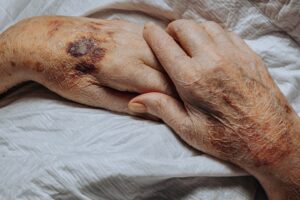
When Nursing Home Neglect Leads to Wrongful Death in Washington
Families place loved ones in nursing homes to keep them safe — not to worry about neglect. Here’s how Washington law treats wrongful death caused by nursing home abuse or negligence, who can file a claim, and how to hold facilities accountable.

Nursing Home Abuse in Washington: Signs, Steps, Reporting
Learn signs of nursing home abuse in Washington. See first steps, reporting, deadlines, and how to protect your family.

7 Signs of Nursing Home Neglect Families Should Know
Learn the top 7 warning signs of nursing home neglect to protect your loved ones. Understand what to look for and how to take action against inadequate care.
“They made sure I was okay before every call ended. They didn’t treat me like a case — they treated me like a person.”
— Rachel Dungey, Client
Talk to an Elder Abuse Attorney Today
Don’t let abuse go unanswered. If your loved one suffered injury, neglect, or wrongful death in a Washington care facility, our team is here for you.