
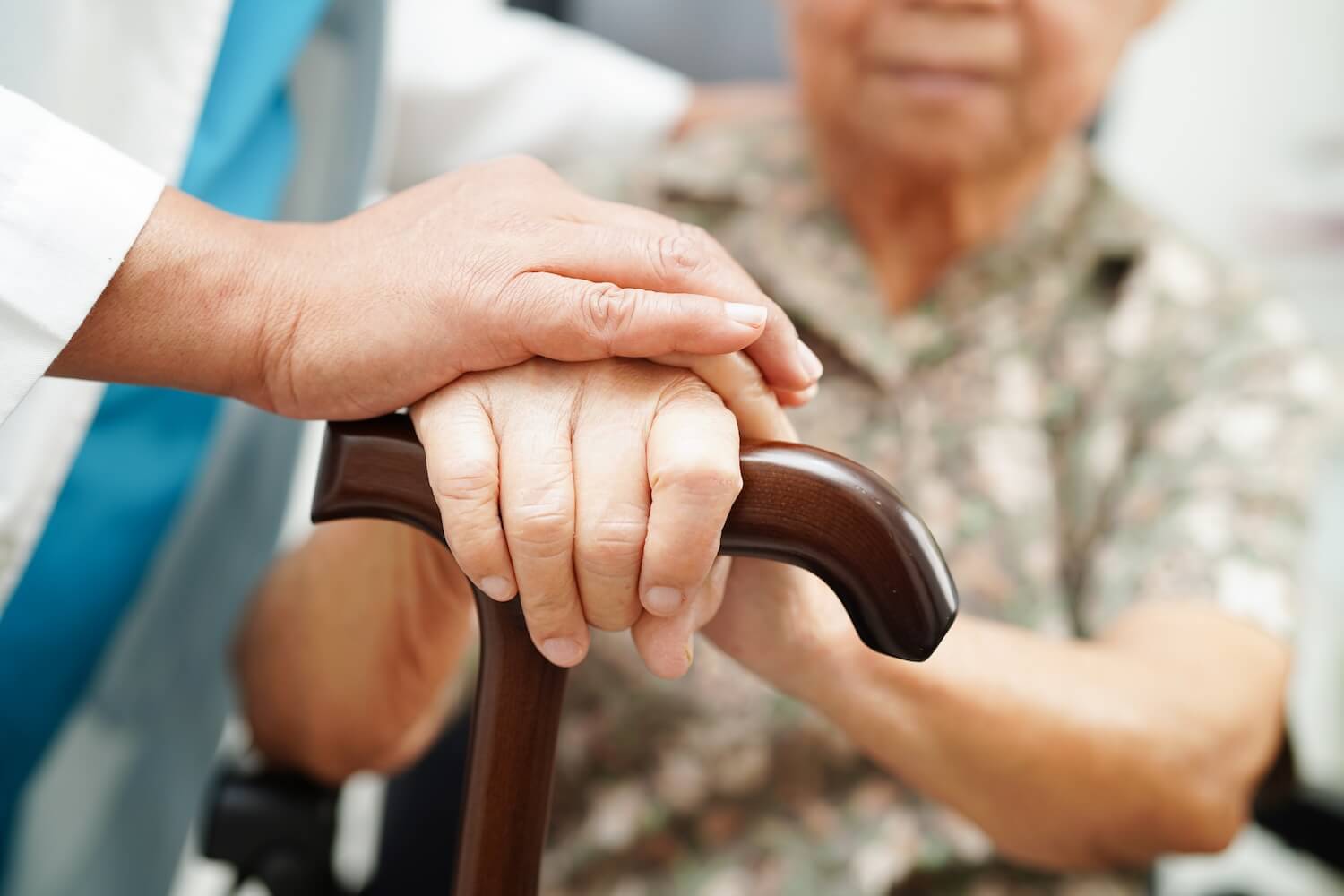
Nursing Home Falls in Washington: When a Fall May Be Evidence of Neglect
A fall in a nursing home, assisted living facility, or other long-term care setting is frightening. For an older adult, even a seemingly minor fall can lead to a hip fracture, traumatic brain injury, internal bleeding, loss of mobility, hospitalization, or a rapid decline in health.
Not every nursing home fall is the result of neglect. Older adults may face real mobility, balance, medication, cognitive, and health challenges. But a fall should never be dismissed automatically as “just part of aging.”
When a resident had known fall risks, needed assistance, had a history of falls, or depended on staff for supervision, a serious fall may raise important questions about whether the facility provided appropriate care.
When Can a Nursing Home Fall Be Considered Neglect?
A fall may be evidence of nursing home neglect when the facility knew, or reasonably should have known, that a resident faced a fall risk and did not take reasonable steps to protect them.
This may involve failures such as:
- Ignoring a resident’s prior fall history
- Failing to assess mobility or balance concerns
- Not following an individualized care plan
- Leaving a resident without needed transfer or toileting assistance
- Failing to respond to call lights in a timely way
- Not providing appropriate walkers, wheelchairs, alarms, footwear, or other assistive devices
- Understaffing shifts or assigning too few trained staff members
- Failing to monitor medication side effects that increase fall risk
- Leaving hazards in hallways, bathrooms, bedrooms, or common areas
- Failing to evaluate why a prior fall occurred and update the resident’s care plan afterward
The key question is not simply whether the resident fell. It is whether reasonable care, supervision, assessment, and safety precautions could have reduced or prevented the risk.
Nursing Homes Have a Duty to Address Known Fall Risks
Long term care facilities are expected to provide residents with care that reflects their individual needs. That includes evaluating risks that may affect safety, mobility, cognition, medication management, and daily activities.
A resident who needs help walking, transferring from a bed to a wheelchair, using the restroom, bathing, or responding to dizziness may require a different level of supervision than a resident who is fully independent.
Families should be concerned when a facility had information showing that a resident was at risk but did not adjust the care plan, staffing approach, supervision, or safety measures.
Common Signs a Resident May Have Been at Risk for a Fall
A resident may have an elevated fall risk when they have:
- A recent fall or repeated fall history
- Dementia, Alzheimer’s disease, confusion, or wandering behavior
- Weakness after surgery, illness, stroke, or hospitalization
- Difficulty walking, standing, transferring, or using the restroom independently
- Vision problems
- Dizziness, fainting, low blood pressure, or balance issues
- Sedating medications or medication changes
- A history of fractures or osteoporosis
- A need for a walker, cane, wheelchair, bed rail, alarm, or staff assistance
A facility does not have to prevent every fall. But when a resident is known to be vulnerable, the facility should not ignore obvious or documented risks.
What Causes Preventable Nursing Home Falls?
Many falls happen because several problems occur at once. A resident may be weak, disoriented, and unable to reach help. Staff may be stretched thin, rushed, poorly trained, or unaware of the resident’s current care needs.
Inadequate Supervision
A resident may need staff nearby when walking, transferring, toileting, bathing, or getting in and out of bed. When that assistance is not provided, a resident may try to do the task alone and fall.
This is especially concerning when staff knew the resident needed help but failed to respond to a call light, failed to check on the resident, or left the resident unattended during an unsafe activity.
Understaffing and Missed Care
Understaffing can affect nearly every part of a resident’s daily care. When there are not enough staff members available, call lights may go unanswered, toileting assistance may be delayed, residents may be rushed during transfers, and changes in condition may go unnoticed.
A facility may describe a fall as unavoidable, but staffing records, care notes, call-light logs, and witness statements may tell a different story.
Unsafe Transfers
Transfers are a common point of risk. A resident may need one or two staff members, a gait belt, a mechanical lift, a wheelchair lock, or another safety measure to move safely from a bed to a chair, toilet, shower, or vehicle.
A fall during a transfer may raise questions about whether the resident had the right level of assistance, whether staff followed the care plan, and whether the correct equipment was available and used.
Medication Errors or Poor Monitoring
Some medications can cause dizziness, confusion, drowsiness, weakness, blood-pressure changes, or impaired coordination. A resident may be at a higher risk after a new prescription, dosage adjustment, medication interaction, or missed medication.
When a resident’s condition changes, the facility may need to reassess their fall risk and determine whether new precautions are necessary.
Environmental Hazards
Falls may also result from dangerous conditions in the facility, including:
- Wet floors
- Poor lighting
- Loose rugs or uneven flooring
- Missing grab bars
- Cluttered walkways
- Broken wheelchairs or walkers
- Unstable furniture
- Improper bed height
- Unsafe bathroom conditions
- Call lights placed out of reach
These hazards can be especially dangerous for residents with limited mobility, impaired vision, cognitive decline, or balance concerns.
A Fall Is Not Always “Unavoidable”
Families are sometimes told that a fall was unavoidable because the resident was elderly, confused, weak, or at risk of falling.
That explanation may be true in some situations. But it should not end the conversation.
A facility’s responsibility is not to guarantee that no resident will ever fall. The responsibility is to identify foreseeable risks, develop an appropriate plan, provide necessary supervision and assistance, and respond when a resident’s condition changes.
A fall may deserve closer review when:
- The resident had fallen before
- The resident was supposed to have staff assistance
- The resident’s care plan identified a fall risk
- The fall occurred while the resident was waiting for help
- The resident was found alone after an unwitnessed fall
- Staff members gave inconsistent explanations
- The family was not notified promptly
- The facility did not explain what happened or how it will prevent another fall
- The resident suffered a fracture, head injury, hospitalization, or sudden decline afterward
What Records Should Families Request After a Nursing Home Fall?
Families should request information promptly. Important records may be lost, overwritten, or become harder to locate as time passes.
Ask for copies of:
- The incident or accident report
- The resident’s current and prior care plans
- Nursing notes from before and after the fall
- Medication administration records
- Physician orders
- Records of prior falls or fall-risk assessments
- Staffing schedules for the date and shift involved
- Call-light logs, if available
- Transfer and mobility assessments
- Hospital, emergency room, imaging, and rehabilitation records
- Witness names and contact information
- Internal communications about the fall
- Any video footage from hallways, common areas, or entrances
It can also help to write down what staff members told you, including dates, names, and explanations. If possible, preserve emails, text messages, voicemails, photos, and photographs of injuries or unsafe conditions.
What Should Families Do After a Serious Nursing Home Fall?
Make Sure Your Loved One Receives Medical Care
A fall may cause injuries that are not immediately obvious. Older adults can suffer delayed symptoms from head injuries, internal bleeding, fractures, and infections related to reduced mobility.
Seek medical attention when appropriate, especially if your loved one has pain, confusion, bruising, a change in behavior, trouble walking, a visible injury, or a sudden decline after the fall.
Ask for a Clear Explanation
Request a written explanation of:
- When and where the fall happened
- Who was present
- What your loved one was doing before the fall
- Whether the fall was witnessed
- What staff members did immediately afterward
- Whether the resident was assessed for injuries
- Whether the care plan will change
- What steps the facility will take to prevent another fall
You are entitled to ask questions. A vague explanation should not be the end of the conversation.
Document Changes in Your Loved One’s Condition
Keep a simple timeline of:
- The date and time of the fall
- What staff members told you
- Medical treatment received
- Changes in mobility, cognition, appetite, mood, or independence
- Follow-up appointments and hospital visits
- Any new bruising, wounds, infections, or complications
This information can help medical providers understand what changed and may be important if the fall led to a more serious injury or death.
Consider Reporting Suspected Neglect
If you believe the fall may be connected to unsafe care, inadequate supervision, understaffing, or neglect, you may report concerns to the appropriate Washington agency.
For a detailed guide, read: How to Report Nursing Home Abuse in Washington State.
A report can help trigger an investigation, but it does not replace the need to preserve records or seek legal guidance when a resident has been seriously harmed.
Can a Nursing Home Be Liable for a Fall?
A nursing home, assisted living facility, staff member, or related care provider may be legally responsible when the evidence shows that negligent care, abuse, or neglect caused or contributed to a resident’s injuries.
Potentially responsible parties may include:
- The nursing home or assisted living facility
- Individual caregivers or nursing staff
- A management company
- A staffing agency
- A medical provider
- A pharmacy or medication provider
- A contractor responsible for unsafe property conditions
Each case is different. Liability can depend on the resident’s health history, care plan, fall-risk assessment, staffing conditions, medical records, witness testimony, and whether the facility followed its own policies.
What If a Nursing Home Fall Leads to Death?
A fall can be fatal, particularly when an older adult suffers a hip fracture, traumatic brain injury, internal bleeding, infection, loss of mobility, or complications during hospitalization.
When a resident dies after a fall, families may be told that the death was caused by age, frailty, or an unrelated medical condition. Those factors can be relevant, but they do not automatically eliminate the possibility that neglect contributed to the death.
A full review may consider:
- Whether the fall should have been prevented
- Whether the resident received timely medical care
- Whether staff members followed the care plan
- Whether the facility documented the incident accurately
- Whether a prior fall or warning sign was ignored
- Whether treatment delays worsened the resident’s condition
- Whether the fall caused or accelerated a fatal decline
Learn more about potential nursing home wrongful death claims and wrongful death claims in Washington.
Talk With a Washington Nursing Home Neglect Attorney
A nursing home fall can leave families with unanswered questions, especially when the facility provides little information or insists that nothing could have been done differently.
Defiance Injury Law helps families investigate serious nursing home injuries, suspected neglect, and wrongful death claims throughout Washington. We can review the circumstances, identify records that may need to be preserved, and help you understand whether the facility’s actions deserve closer scrutiny.
To discuss a potential case, request a case review or contact Defiance Injury Law.
Frequently Asked Questions About Nursing Home Falls in Washington
Can I sue a nursing home in Washington if my parent fell?
Possibly. A lawsuit may be appropriate when a nursing home’s negligence, inadequate supervision, understaffing, unsafe conditions, medication errors, or failure to follow a care plan caused or contributed to the fall and resulting injuries. A lawyer can review the facility records and circumstances to determine whether there may be a claim.
Is a fall in a nursing home always considered neglect?
No. Not every fall is neglect. However, a fall may be evidence of neglect when the facility knew or should have known the resident was at risk and failed to provide reasonable supervision, assistance, safety measures, or follow-up care.
What should I do after my loved one falls in a nursing home?
Make sure your loved one receives medical care, ask for a written explanation, request the incident report and care records, document what you are told, and monitor for changes in their health or mobility. If you suspect unsafe care or neglect, consider reporting the concern and speaking with a nursing home abuse attorney.
Can a nursing home be responsible for a fall during a transfer?
Yes. A facility may be responsible when staff members failed to use the right transfer method, did not provide enough assistance, ignored a care plan, did not use necessary equipment, or left a resident unattended during an unsafe transfer.
What records should I request after a nursing home fall?
Request the accident report, nursing notes, care plan, medication records, fall-risk assessments, staffing schedules, call-light information, hospital records, witness names, and any available video footage. These records may help explain what happened and whether the resident’s needs were being met.
Can understaffing cause nursing home falls?
It can. Understaffing may lead to delayed responses to call lights, missed toileting assistance, rushed transfers, inadequate supervision, and failures to notice changes in a resident’s condition. Staffing records may be important evidence in a nursing home fall case.
Can I report a nursing home fall in Washington?
Yes. When you suspect neglect, abuse, or unsafe care involving a vulnerable adult, you can report concerns to Washington’s Department of Social and Health Services or the appropriate long-term care oversight agency. In an emergency, call 911.
Can a family file a wrongful death claim after a fatal nursing home fall?
Potentially. When neglect, inadequate care, unsafe conditions, or a failure to provide needed supervision caused or contributed to a resident’s death, eligible family members may have a wrongful death claim. The facts should be reviewed promptly because important records and evidence may become harder to obtain over time.
The information on this website is provided for general informational purposes only and may not reflect the most current legal developments in Washington State. It is not legal advice and does not create an attorney-client relationship. You should not act or refrain from acting based on any information on this site without seeking professional legal counsel. Every case is different, and outcomes depend on the specific facts and applicable law. Past results do not guarantee future outcomes.